
Seasonal Flea and Tick Control Strategies
Seasonal flea and tick control strategies aim to protect your home and pets by eliminating pests, with local service providers ready to handle the necessary treatments.
If you’re a property owner in the area, understanding seasonal flea and tick control strategies can be essential for maintaining a safe and comfortable outdoor space. As these pests become more active during certain times of the year, implementing effective prevention methods can help protect pets, family members, and the overall health of your landscape. Exploring options early on ensures that you’re prepared for peak pest activity, and local service providers are equipped to help with tailored solutions that fit your specific property needs.
Many property owners find that working with local contractors who specialize in flea and tick control offers practical benefits, especially during seasonal shifts. These professionals can assess your property, recommend targeted treatments, and help establish ongoing prevention plans that align with local climate patterns. Keep reading to discover effective strategies and learn how local experts can support your efforts in managing fleas and ticks throughout the year.
- Seasonal Flea and Tick Control Strategies - Homeowners seeking to prevent infestations during peak seasons can rely on local contractors to develop targeted treatment plans.
- Seasonal Flea and Tick Control Strategies - Those noticing increased flea or tick activity in their yard may contact local service providers to implement effective control measures.
- Seasonal Flea and Tick Control Strategies - Property owners preparing for outdoor activities during warmer months can work with local pros to establish ongoing pest prevention routines.
- Seasonal Flea and Tick Control Strategies - Residents experiencing recurring flea or tick issues might seek assistance from local contractors to tailor seasonal treatments.
- Seasonal Flea and Tick Control Strategies - Individuals planning to maintain a pest-free yard throughout the year can consult local service providers for customized seasonal strategies.
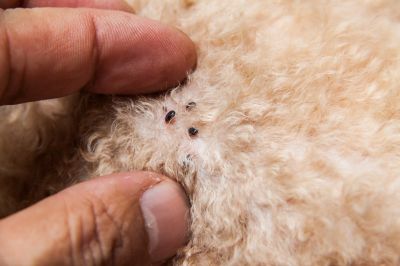
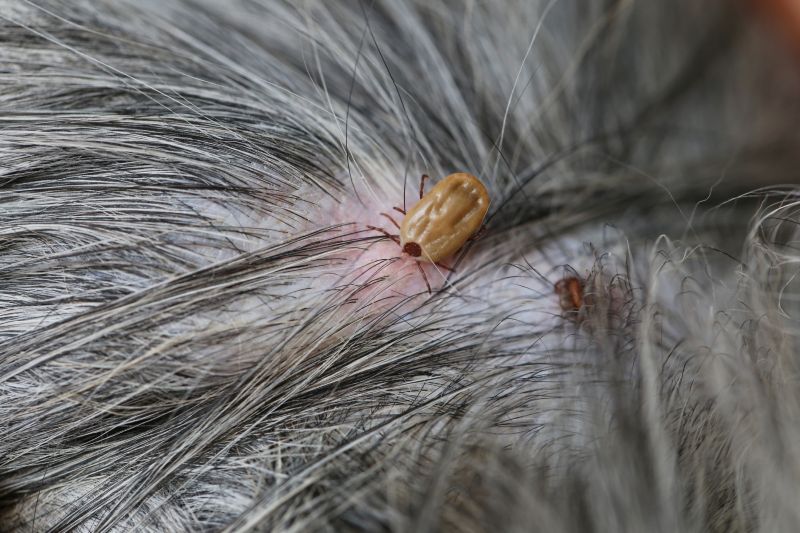
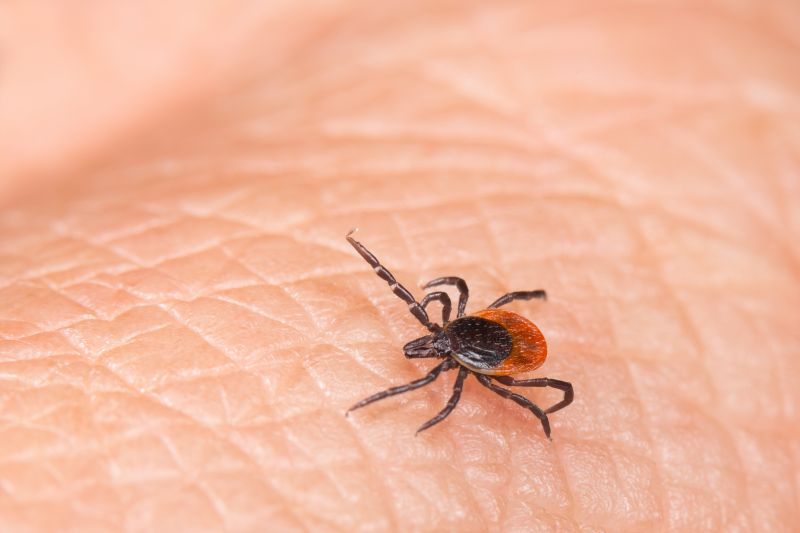
Seasonal flea and tick control strategies are approaches designed to prevent and manage these pests during specific times of the year when they are most active. When homeowners search for this topic, they often want to understand how to protect their pets, families, and properties from infestations that tend to spike in warmer months or during particular seasons. These strategies typically involve a combination of preventative treatments, environmental modifications, and ongoing maintenance to keep fleas and ticks at bay. The goal is to reduce the risk of bites, allergic reactions, and the spread of diseases that fleas and ticks can carry, making it a key part of seasonal property care.
The problems associated with fleas and ticks are often linked to increased activity during certain times of the year, especially spring and summer. Homeowners may notice a rise in itchy bites, flea dirt, or tick sightings on pets or around their yards. Planning for seasonal control involves understanding when these pests are most active and implementing measures to reduce their presence before they become a serious problem. Local contractors who specialize in flea and tick control can help design a tailored plan that includes treatments for outdoor spaces, such as lawns and shrubbery, as well as indoor solutions if necessary. These strategies are often part of broader pest management plans that aim to create an environment less hospitable to these pests.
Properties that typically come up in conversations about seasonal flea and tick control include residential yards, gardens, and outdoor living areas. Homes with extensive landscaping, wooded surroundings, or areas with tall grass tend to be more vulnerable to infestations. Additionally, properties with pets that spend time outdoors are at higher risk, as fleas and ticks often latch onto animals and then migrate into the home. Commercial properties, such as parks or outdoor event spaces, may also require seasonal pest control measures to ensure visitor safety and comfort. For homeowners, understanding the specific needs of their property helps in choosing the right approach, and local service providers can offer expertise in developing an effective seasonal plan that aligns with the property's features and the local climate.
Implementing seasonal flea and tick control strategies involves a combination of proactive measures and targeted treatments. Local flea and tick control professionals can assess the property, identify high-risk areas, and recommend appropriate solutions, such as outdoor residual sprays, barrier treatments, or pet-focused products. These experts understand the seasonal patterns of these pests and can advise on timing treatments for maximum effectiveness. By working with local contractors, homeowners can establish a comprehensive plan that minimizes infestations during peak seasons, helping to protect their families, pets, and outdoor spaces from the nuisance and health risks posed by fleas and ticks.
Lawn and landscape management - professionals in this field implement seasonal treatments that can help reduce flea and tick habitats, supporting effective control strategies.
Pest inspection services - these experts identify potential flea and tick hotspots around properties, aiding in targeted seasonal control plans.
Outdoor pest barrier installation - contractors install physical barriers or treatments that work alongside seasonal control strategies to keep fleas and ticks at bay.
Animal pest control - specialists focus on managing fleas and ticks on pets and around animal habitats, complementing seasonal control efforts.
Yard sanitation and debris removal - service providers clear clutter and organic matter that can harbor fleas and ticks during seasonal changes.
Spray and treatment services - local contractors apply insecticides and repellents in accordance with seasonal strategies to control flea and tick populations effectively.
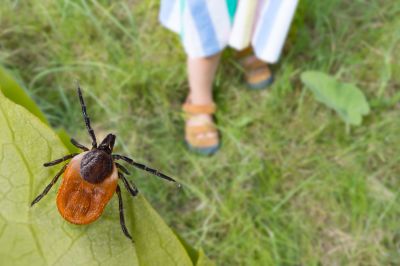
When evaluating local contractors for seasonal flea and tick control strategies, it’s important to consider their experience with similar projects. Homeowners should inquire about the types of properties they have worked on and whether they have handled flea and tick prevention in environments comparable to their own. A contractor with a history of successful treatment in settings similar to the home’s landscape and outdoor space can provide reassurance that they understand the specific challenges and effective methods for controlling these pests during different seasons.
Clear, written expectations are a key factor when comparing service providers. Homeowners should seek detailed descriptions of what the flea and tick control services include, such as application areas, frequency, and any preparation required beforehand. Having these details in writing helps ensure that both parties have aligned understanding of the scope of work, which can prevent misunderstandings and ensure that the seasonal strategies are tailored to the homeowner’s needs and property conditions.
Reputable references and effective communication are essential qualities to look for in local service providers. Homeowners can ask for references or reviews from previous clients to gain insights into the contractor’s reliability and quality of work. Additionally, good communication - including responsiveness to questions and clarity in explaining treatment options - helps foster a smooth working relationship. Contractors who communicate well are more likely to provide updates, address concerns promptly, and adapt strategies as needed to effectively manage flea and tick populations throughout the season.
Property owners often search for seasonal flea and tick control strategies when they are planning practical projects around their homes and businesses. Local pros provide Flea and Tick Control services for everyday jobs and straightforward project options.
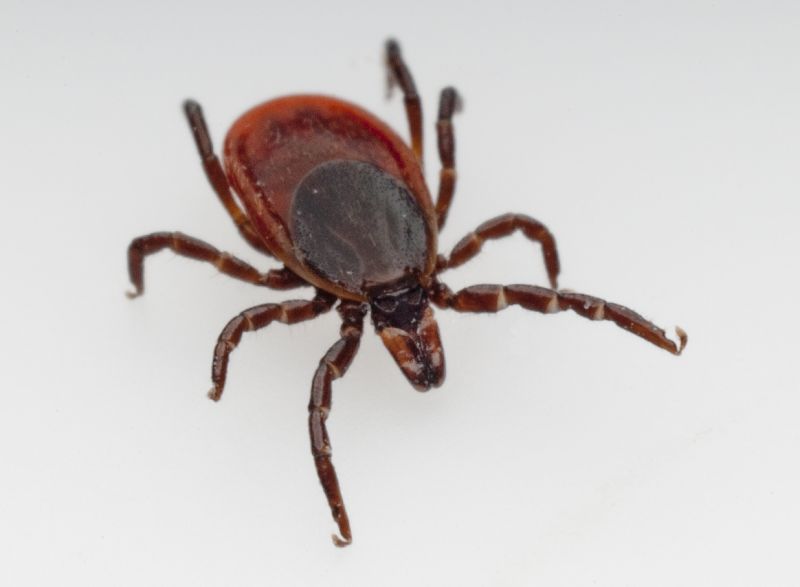
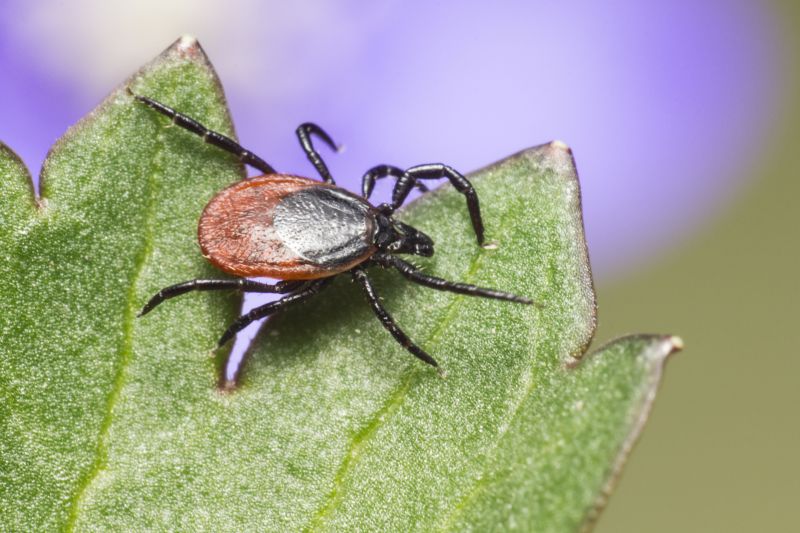
Seasonal flea and tick control strategies are a common concern for property owners looking to protect their pets, children, and outdoor spaces during peak pest activity times. Homeowners often seek advice on how to reduce the presence of these pests as temperatures rise or before outdoor activities increase. Local contractors specializing in pest management can provide tailored solutions, including targeted treatments and preventative measures, to help keep properties free from fleas and ticks throughout the seasons.
Many property owners turn to local service providers when they notice signs of fleas or ticks or want to implement proactive measures ahead of peak seasons. Simple reasons for seeking professional assistance include ensuring effective coverage, understanding the best timing for treatments, and integrating ongoing maintenance routines. Connecting with experienced local contractors can help homeowners develop seasonal strategies that align with their specific property needs, making pest control efforts more efficient and effective.
What are effective seasonal flea and tick control strategies? Local service providers recommend a combination of environmental treatments, regular yard maintenance, and targeted pest control applications to manage fleas and ticks during peak seasons.
When should I start implementing flea and tick control measures? Most pros advise beginning seasonal control strategies before flea and tick activity increases, typically in early spring or late winter, to prevent infestations.
How can I prepare my property for seasonal flea and tick control? To assist service providers, clear debris, mow the lawn regularly, and remove any standing water to reduce flea and tick habitats before treatments are applied.
Are there specific treatments recommended for different seasons? Yes, local contractors often tailor treatments to seasonal patterns, using different products or methods depending on whether it’s spring, summer, or fall to maximize effectiveness.
What ongoing practices support seasonal flea and tick control? Maintaining yard cleanliness, trimming brush, and regularly inspecting pets help reinforce seasonal strategies provided by local pros for ongoing protection.
Seasonal pest barrier installation - property owners can work with local contractors to set up physical barriers like fencing or landscape features that help prevent fleas and ticks from entering their yard during peak seasons.
Yard treatment planning - local service providers can develop tailored treatment plans to target flea and tick habitats, reducing pest populations in outdoor spaces throughout different seasons.
Tick habitat reduction - property owners can collaborate with local pros to identify and remove common tick hiding spots such as tall grass, leaf litter, and brush to minimize exposure risks.
Preventative treatment schedules - scheduling regular outdoor treatments with local contractors can help maintain a pest-free environment by addressing seasonal fluctuations in flea and tick activity.
If you are thinking about seasonal flea and tick control strategies for a property, this guide is meant to help you understand this topic, the typical project types, and how different options might fit your plans.
When you are ready, you can use the quote form on this page to share a few details about your project. From there, local pros can review the basics and follow up with options that match what you have in mind.